
Industry Guide
Best Payment Methods for Remittance Businesses
Support money transfer customers with payment methods that improve trust, funding speed, and payment completion across markets.
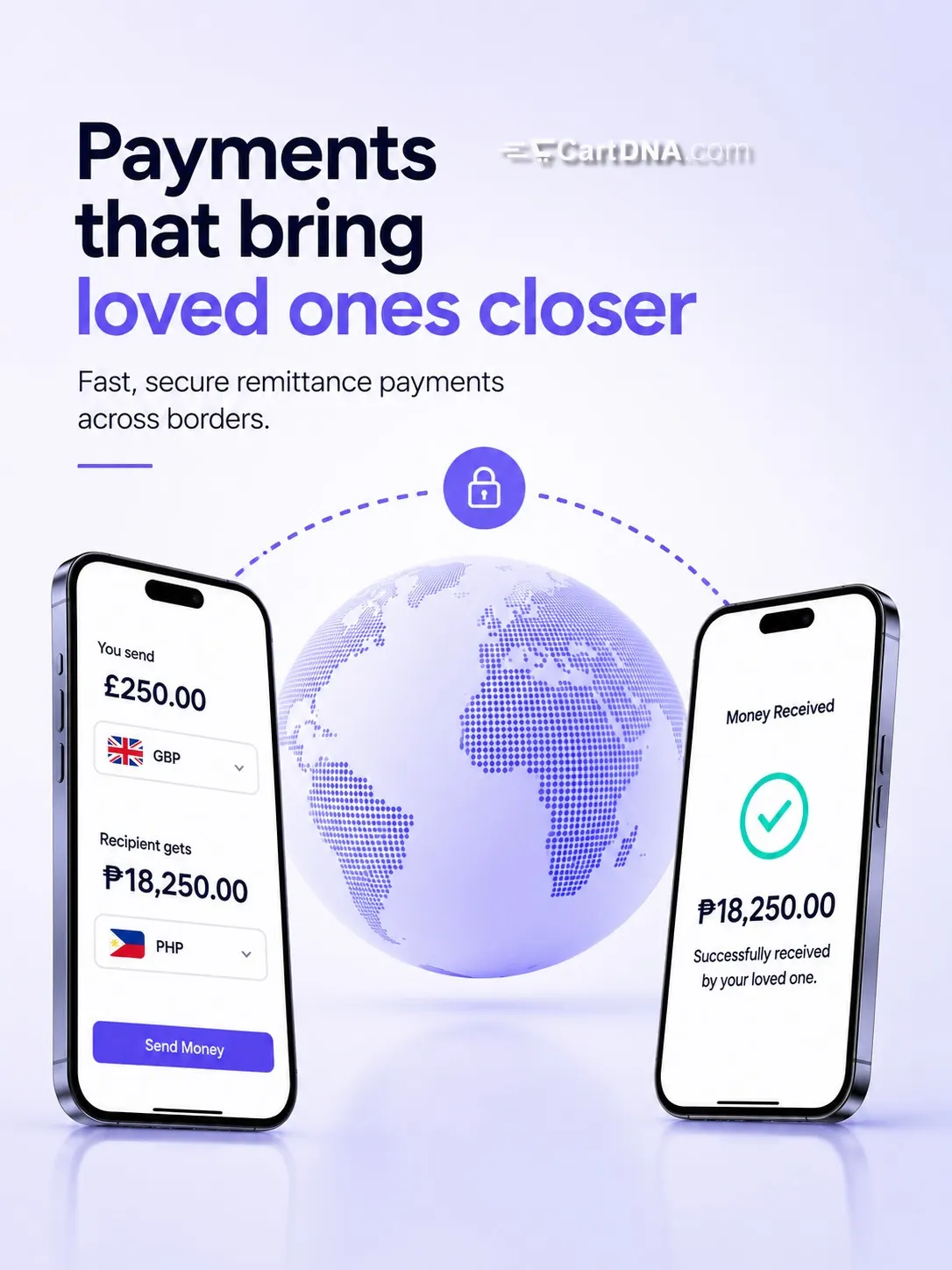
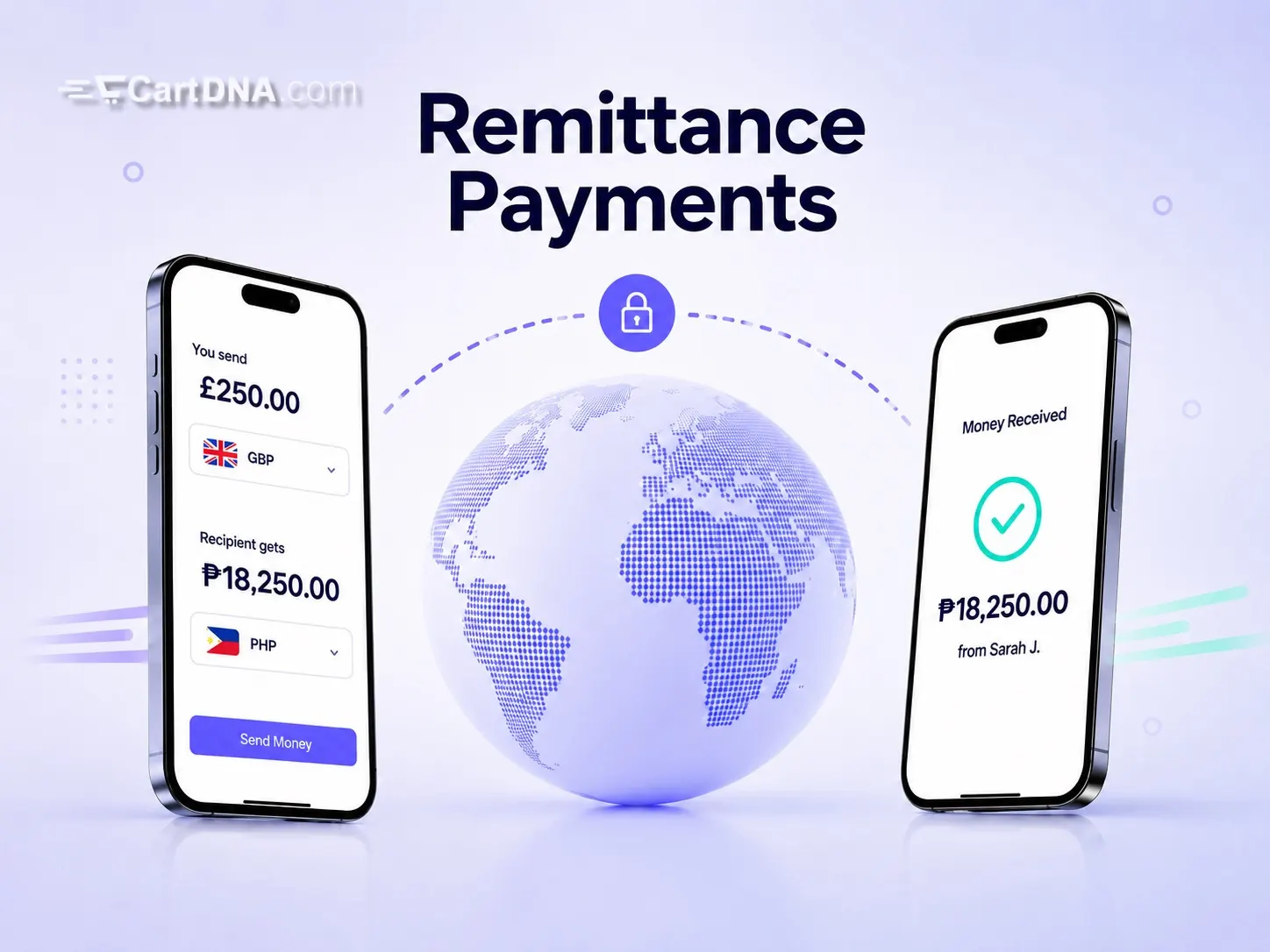
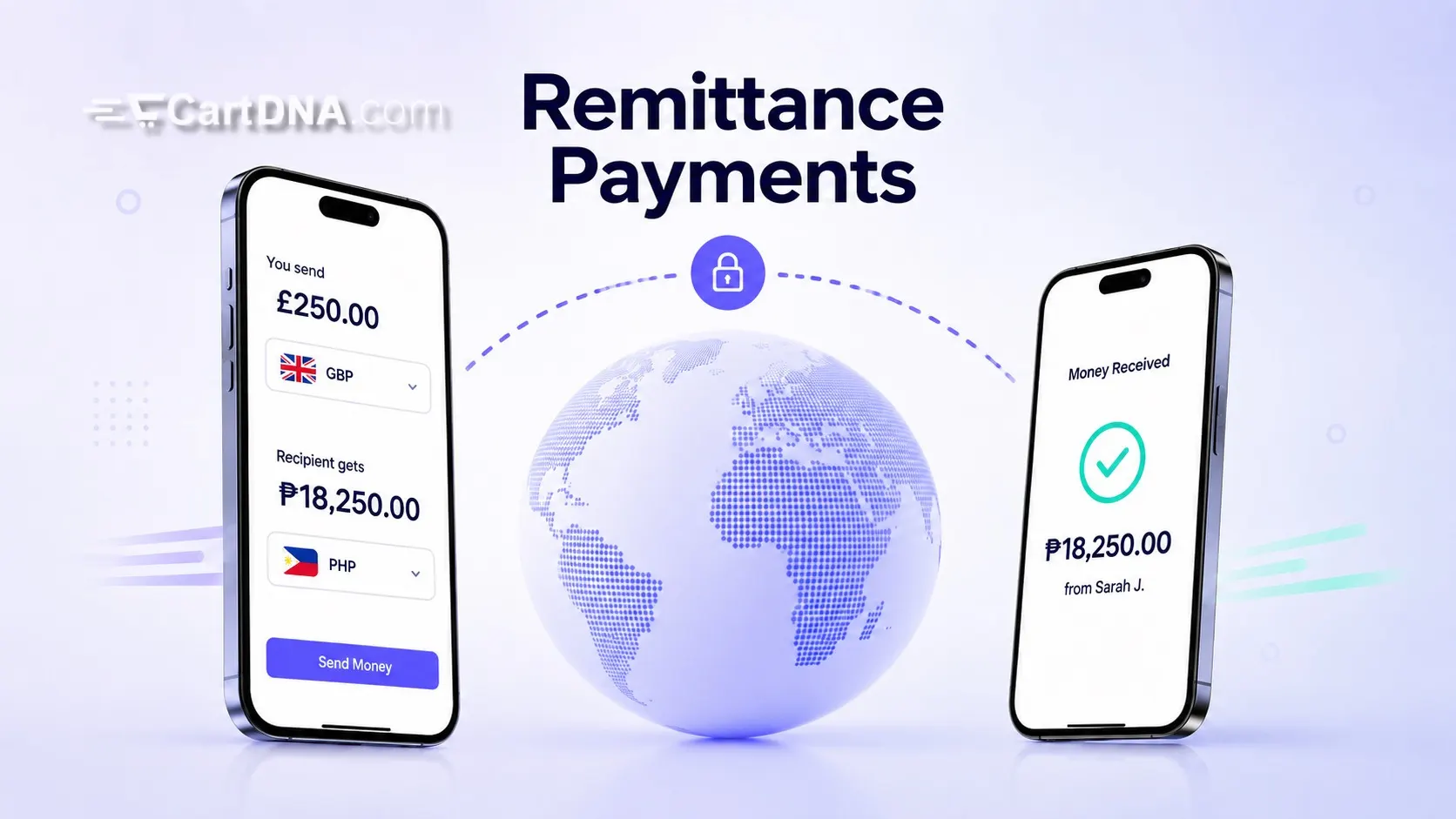
Remittance businesses need payment methods that support trust, fast funding, and operational control. The strongest setup helps customers fund transfers easily while supporting the compliance and payment visibility needed in money movement services.
Why Payment Methods Matter for Remittance Businesses
Remittance businesses depend on customer trust from the first interaction. People sending money want payment methods that feel secure, familiar, and reliable because the transaction often carries personal importance.
Payment methods shape how easily customers can fund a transfer and how confident they feel during the process. If the funding step feels unclear or slow, conversion can drop quickly.
A strong remittance payment setup should support fast customer funding, broad access across markets, and operational visibility that fits a tightly controlled payment environment.
Key Payment Characteristics of Remittance Businesses
Trust-Sensitive Transactions
Customers want strong reassurance because remittance transactions often support family or urgent personal needs.
Funding Speed Matters
The faster a customer can fund a transfer, the more likely they are to complete the journey.
Cross-Border Demand
Remittance businesses often operate across multiple countries with different customer payment habits.
High Operational Control Requirement
Remittance services need strong payment tracking and compliance-ready processing across markets.
How Remittance Businesses Can Improve Payment Conversion
Keep the funding step simple and clearly explained. Customers should understand how to pay, what happens next, and which funding methods are available before they commit.
Use payment methods that match the speed and trust needs of the transfer journey. Cards and wallets can reduce friction, while bank and local methods may increase confidence in key markets.
Remittance businesses should also review which payment methods lead to the highest funded-transfer completion rates across countries and devices.
Related Payment Industries
Consumer Finance
Payment methods for regulated financial service journeys with recurring payments and strong operational controls.
Marketplaces
Payment methods for complex operational models where payment visibility and structured flows are important.
Travel
Payment methods for cross-border customer journeys where trust and international payment support matter.
Healthcare
Payment methods for trust-sensitive services where transparency and reassurance help customers complete payments.
Remittance Payment FAQs
What are the best payment methods for remittance businesses?
Bank transfers, cards, digital wallets, and selected local payment methods are often the strongest mix for remittance businesses, depending on the funding market and customer journey.
Why is trust so important in remittance payments?
Remittance customers are sending money that often has personal urgency, so they need strong confidence in the provider, the pricing, and the payment process.
Do local payment methods help remittance conversion?
Yes. Local payment methods can improve completion in markets where customers prefer domestic funding options over global card-first flows.
Why is compliance intensity high for remittance businesses?
Remittance businesses must meet strict money transfer regulations around customer verification, transaction reporting, and anti-money laundering compliance.
Build a Better Remittance Payment Experience
Use payment methods that support trust, funding speed, and smoother transfer completion
A stronger remittance payment setup helps customers fund transfers more confidently and supports better payment performance across markets.