
Industry Guide
Best Payment Methods for Retail E-commerce Stores
Choose the payment methods that help retail customers buy faster, trust your checkout, and complete more orders.
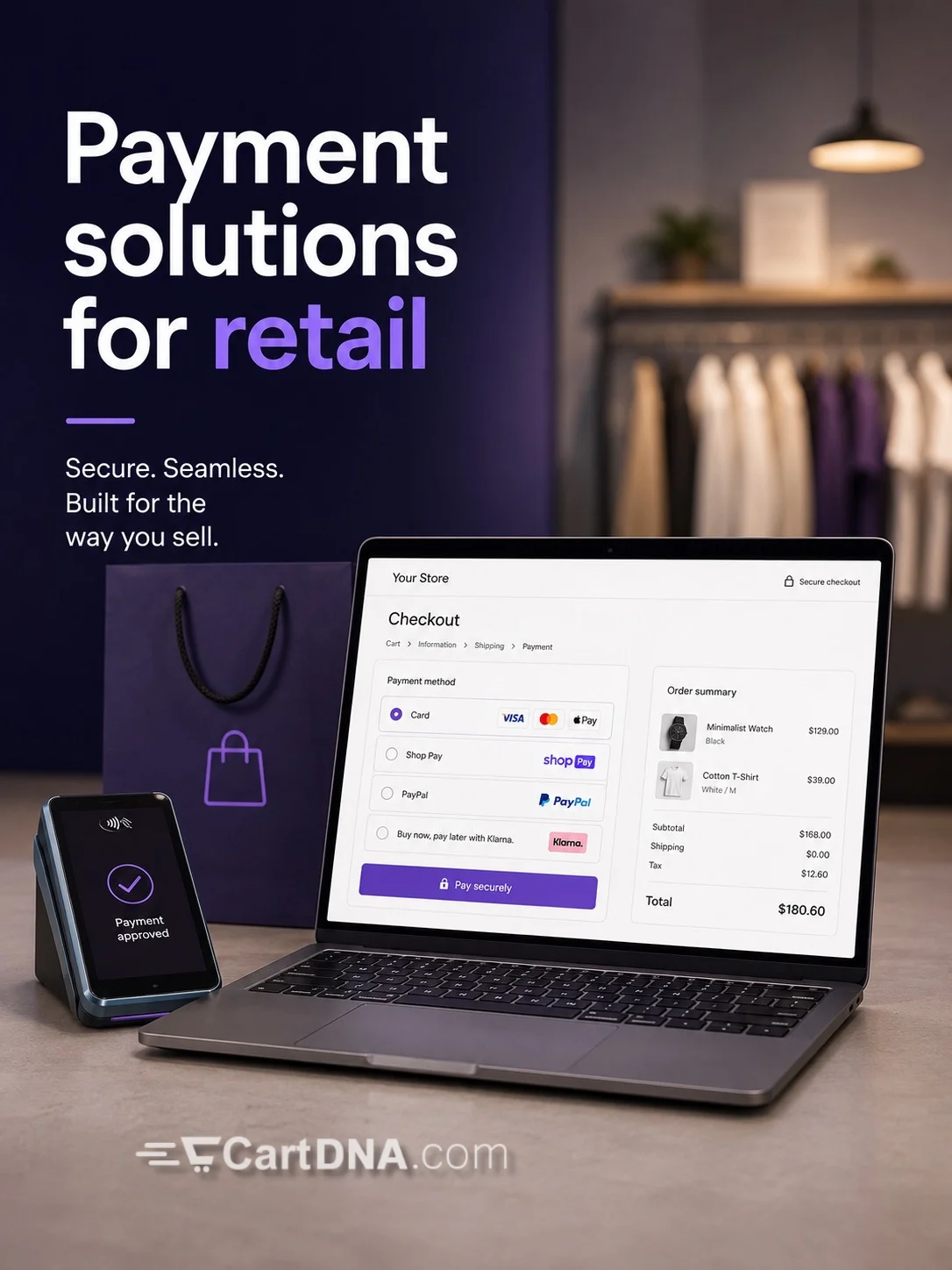
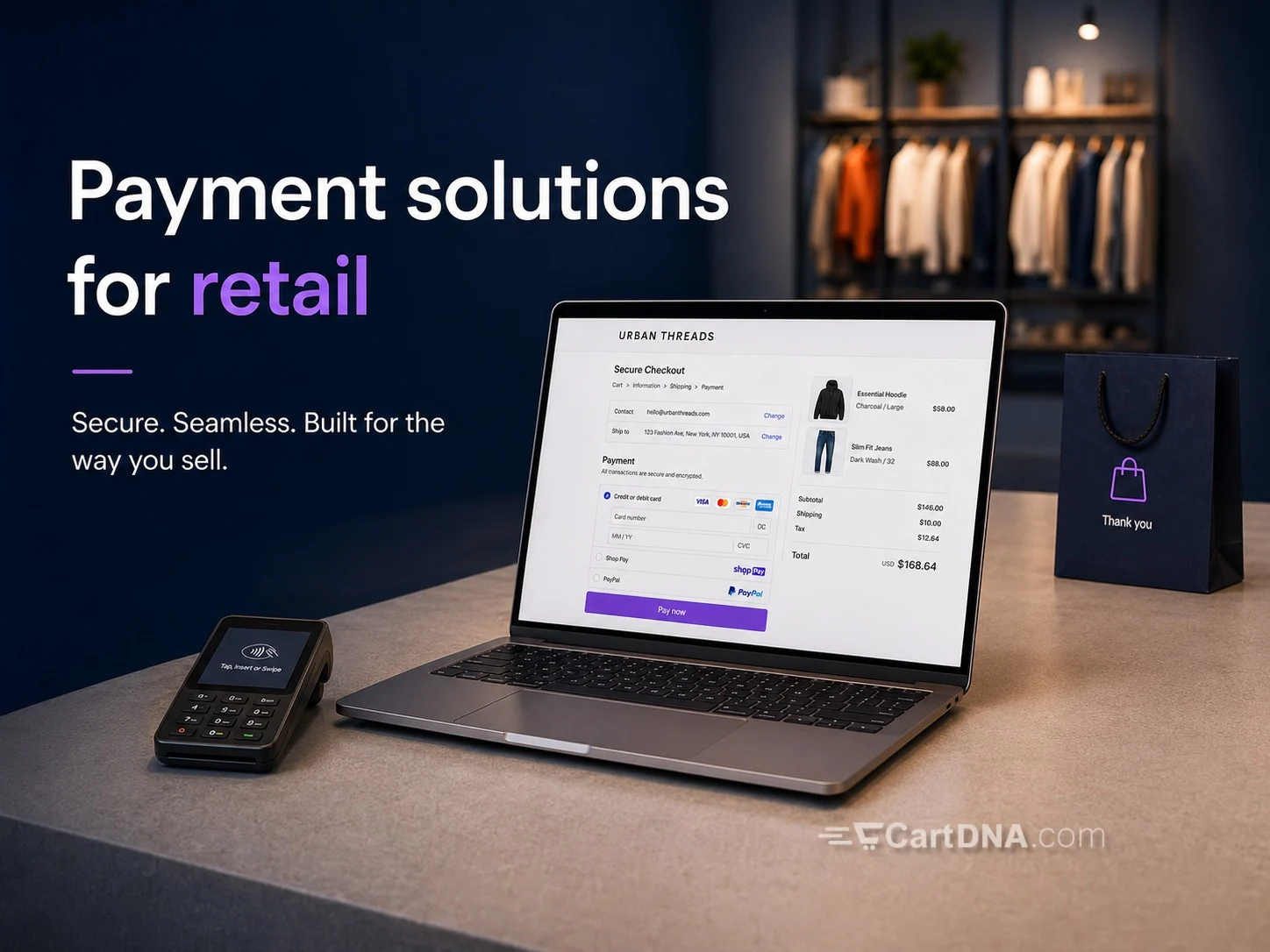
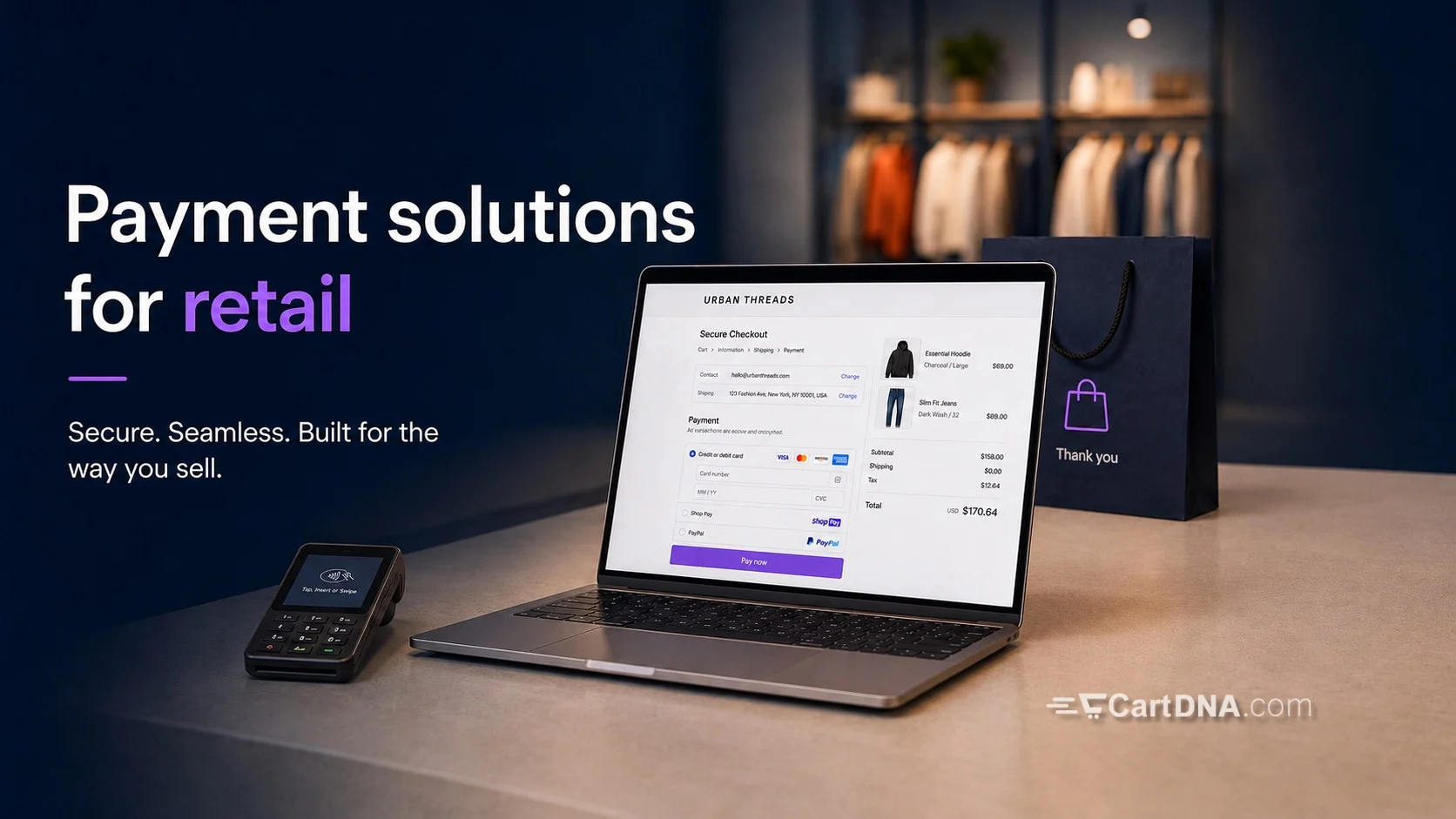
Retail ecommerce stores need payment methods that match customer expectations across devices, markets, and order values. The right payment mix can increase checkout completion, reduce friction, and support local buying preferences as your store grows.
Why Payment Methods Matter for Retail Ecommerce
Retail ecommerce is highly competitive. Customers compare prices quickly, switch devices often, and expect checkout to feel familiar. If your store does not offer trusted payment methods, many shoppers leave before they place an order.
The strongest retail payment strategy combines broad acceptance with low friction. That usually means offering major cards, digital wallets, and local payment methods that customers already know in their region. This approach improves trust and helps more shoppers finish payment on the first attempt.
Payment method choice also affects average order value, mobile conversion, and international growth. A retail store selling across borders may need different payment options for the Netherlands, Germany, Belgium, or the UK. A payment setup that fits local buying habits can improve both conversion and customer confidence.
Recommended Payment Methods for Retail Stores
Retail merchants usually perform best when they offer a balanced payment mix. Each payment type supports a different customer need, checkout context, or regional preference.
Digital Wallet
Payment methods that store funds or payment credentials digitally, such as app-based wallets.
Learn moreBank Transfer
Bank transfers offer a secure and reliable way for Shopify merchants to receive payments directly from customers' bank accounts.
Learn moreBuy now, pay later
Payment methods that allow customers to split or defer payment over time.
Learn moreCash Based
Cash-based payments provide Shopify merchants with an alternative for customers who prefer paying with cash.
Learn moreKey Payment Characteristics of Retail Businesses
Wide Customer Preference Range
Retail stores serve customers with different payment habits, from card-first shoppers to buyers who prefer wallets or local bank methods.
High Mobile Checkout Importance
A large share of retail traffic comes from mobile devices, so payment methods must support fast, low-friction payment on smaller screens.
Cross-Border Opportunity
Retail merchants expanding into new markets often need local payment methods and currency-aware checkout experiences to convert efficiently.
Trust-Driven Checkout Behavior
Customers are more likely to complete a purchase when they see payment brands they recognize and trust at the point of payment.
How Retail Stores Can Improve Checkout Conversion
Start with the payment methods your customers expect most. Major cards are essential, but cards alone are rarely enough for strong retail conversion in every market. Digital wallets improve speed, while local payment methods increase confidence in country-specific checkout journeys.
Mobile optimization is critical. A shopper browsing on a phone is less likely to complete a long form checkout. Wallet-based payment methods reduce typing and can remove enough friction to lift conversion meaningfully.
Retailers should also match payment methods to product type and order value. For example, installment options can work well for electronics, while fast wallet payments may suit beauty, fashion, and repeat-purchase categories. The best retail setup is not the biggest list of methods. It is the right mix for your customer base.
Best Payment Strategy for International Retail Growth
International retail growth depends on local relevance. Customers are far more likely to pay when checkout supports the payment methods they already use in their country. This matters especially in Europe, where local bank and account-to-account payment methods can play a major role in ecommerce conversion.
Retail merchants should review payment method demand market by market. A one-size-fits-all approach often leads to weaker conversion in localized checkout journeys. The more closely your payment setup matches local behavior, the better your approval rates and user experience tend to become.
Strong international checkout also depends on clear pricing, currency handling, and mobile performance. Payment methods should support the full retail experience, not just the final transaction.
Related Industry Payment Guides
Fashion and Apparel
Payment methods for fast-moving online fashion stores with mobile-first shoppers and higher return rates.
Electronics
Payment methods for higher-value consumer technology purchases where trust and installments matter.
Beauty and Cosmetics
Payment methods for repeat-purchase beauty brands focused on fast checkout and strong wallet adoption.
Food and Beverage
Payment methods for online food and beverage stores that need speed, trust, and simple checkout journeys.
Related Payment Resources
Global Payment Methods
Learn how to support local and international payment methods in one checkout strategy.
Payment Processors
Compare payment processors and find the right processing setup for your store.
Payment Currencies
Understand how settlement and processing currencies affect retail payment acceptance.
Shopify Payment Guides
Explore country-specific payment guides for Shopify merchants selling internationally.
Retail Ecommerce Payment FAQs
What are the best payment methods for retail ecommerce stores?
Most retail ecommerce stores benefit from a mix of major cards, digital wallets, and relevant local payment methods. The best combination depends on your markets, order values, and customer device behavior.
Why are digital wallets important for retail stores?
Digital wallets reduce checkout friction and improve payment speed, especially on mobile devices. They help shoppers pay without entering full card details manually.
Do local payment methods improve retail conversion?
Yes. Local payment methods often improve trust and checkout completion because customers already know them and use them regularly in their own country.
Should retail stores offer buy now, pay later options?
Buy now, pay later can help some retail merchants improve conversion and average order value, especially in categories with higher basket sizes such as electronics or fashion.
Build a Better Retail Payment Experience
Choose payment methods that help more shoppers complete checkout
A stronger retail payment setup can improve conversion, support international growth, and reduce unnecessary checkout friction. Use CartDNA to build a smarter payment strategy for your store.