
Industry Guide
Best Payment Methods for Online Marketplaces
Support buyer checkout, seller payouts, and platform trust with the right payment methods for marketplaces.
Marketplaces need payment methods that work for both buyers and sellers. The best setup simplifies buyer checkout while giving the platform control over money flow and seller payouts.
Why Payment Methods Matter for Marketplaces
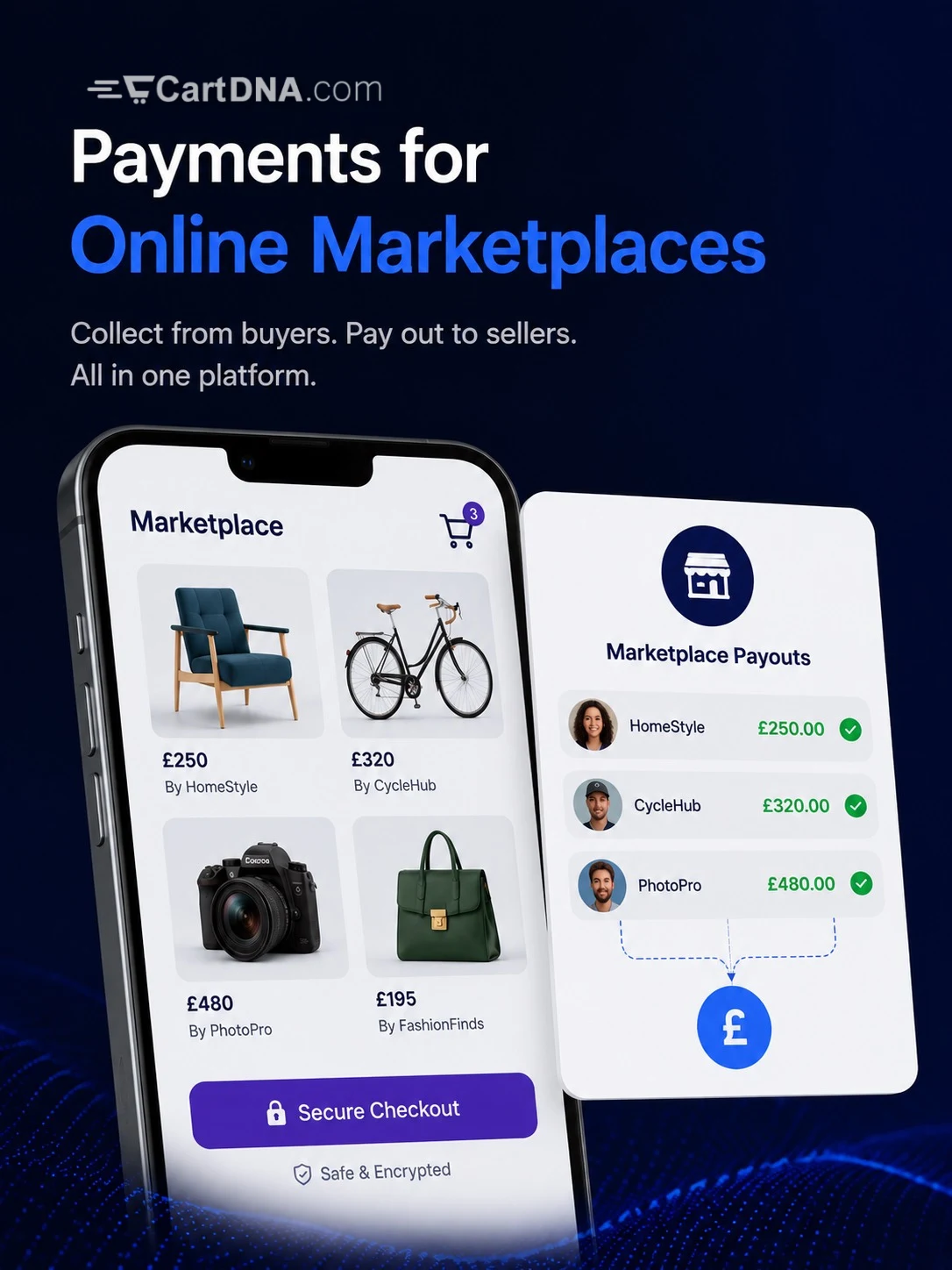
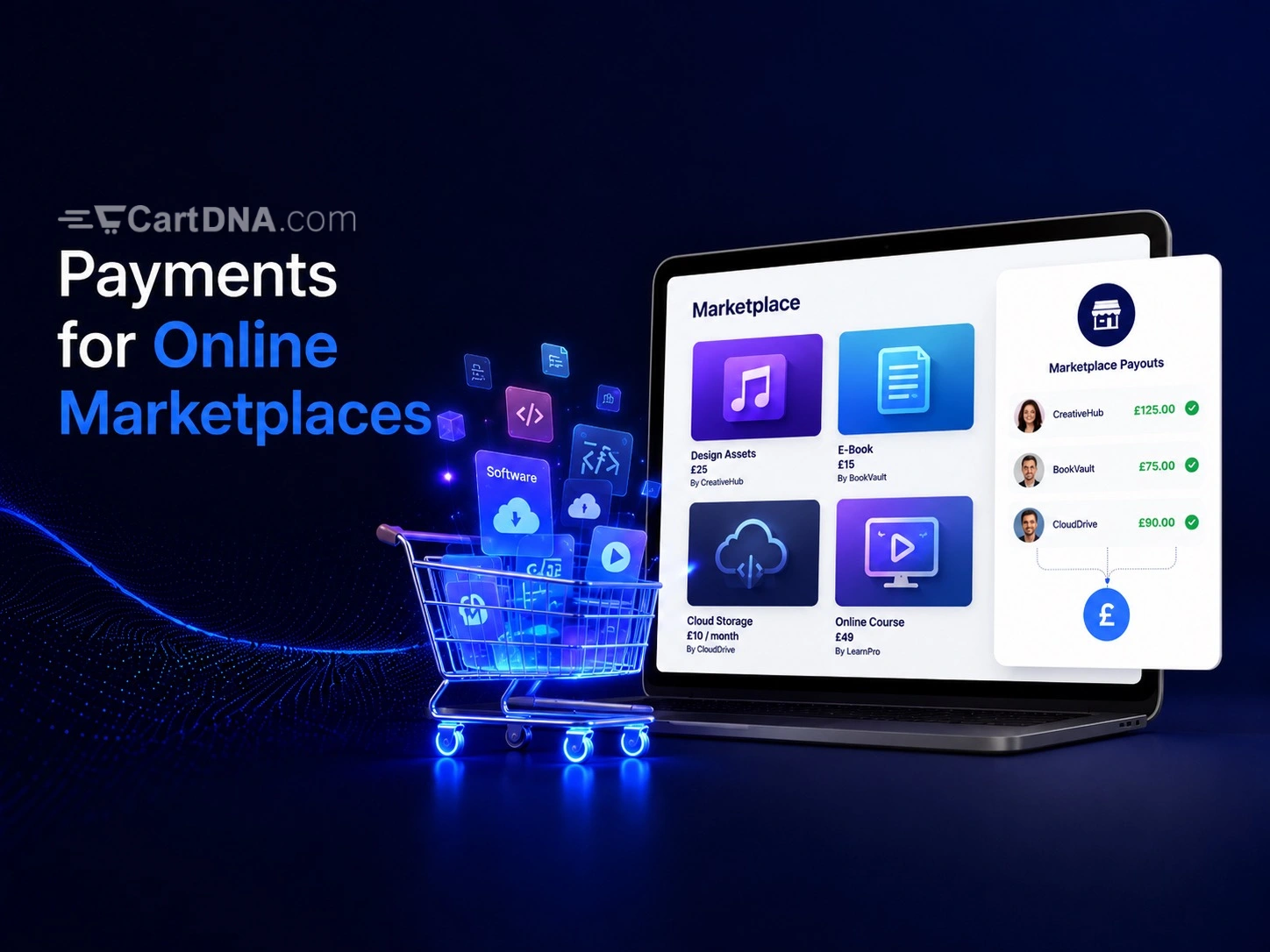
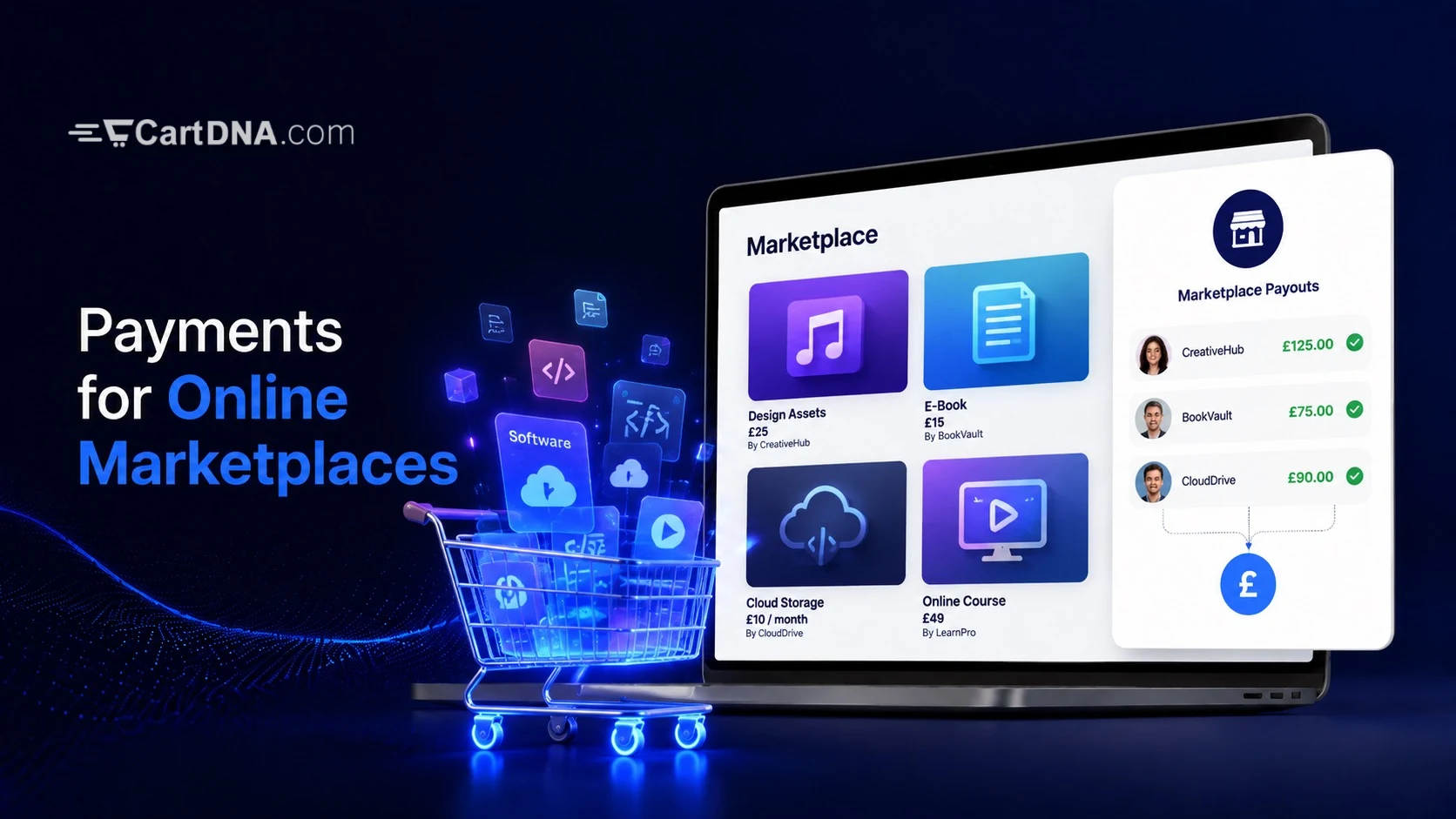
Marketplace payments are more complex than standard ecommerce because the platform must collect from buyers and distribute to sellers. Payment methods need to support both sides of the transaction.
A strong marketplace payment setup should make it easy for buyers to complete checkout while giving the platform control over timing, fees, and seller settlement.
Offering the right payment methods also affects platform trust. When buyers see familiar, secure payment options, they are more likely to complete purchases from new or smaller sellers.
Key Payment Characteristics of Online Marketplaces
Multi-Party Payment Flow
Marketplaces must collect from buyers and distribute to sellers, requiring split payment and payout management.
Buyer Checkout Simplicity
Buyers expect fast, familiar payment options regardless of which seller they purchase from on the platform.
Seller Payout Control
Platforms need control over when and how sellers receive funds to manage disputes and platform fees.
Platform Trust Signals
Offering trusted payment methods reduces buyer hesitation when purchasing from unknown sellers.
How Marketplaces Can Improve Checkout Conversion
Keep buyer checkout consistent and simple. Payment options should be clear regardless of which seller the customer is buying from.
Use payment methods that build trust. When buyers see familiar, secure payment options, they are more likely to purchase from new or smaller sellers.
Offer flexibility for higher-value purchases. Some marketplace orders may benefit from invoice or installment payment options.
Best Payment Strategy for International Marketplaces
International marketplaces benefit from offering local payment methods that match buyer preferences in different regions.
Cards remain important for broad coverage, but local payment methods can improve conversion in markets where customers expect domestic options.
A strong international marketplace payment setup combines trusted global methods with targeted local support.
Related Industry Payment Guides
Related Payment Resources
Marketplace Payments Guide
Learn how to manage split payments and seller payouts for platforms.
Payment Processors
Compare payment processors that support marketplace models.
Local Payment Methods
Add regional payment options to improve international conversion.
Checkout Optimization
Improve buyer checkout conversion across your marketplace.
Marketplace Payment FAQs
What are the best payment methods for marketplaces?
Cards, wallets, and local payment methods are often the best mix for marketplaces because they support buyer conversion and work with split payment flows.
How do marketplaces handle seller payouts?
Marketplaces collect payment from buyers and hold funds until they distribute to sellers. The platform controls timing and can deduct fees before payout.
Should marketplaces offer local payment methods?
Yes, especially when expanding internationally. Local payment methods improve buyer trust and conversion in regions where customers prefer domestic options.
Do marketplaces need different payment methods for B2B transactions?
Yes. B2B marketplace transactions may benefit from invoice payments or bank transfer options for buyers who need approval workflows.
Build a Stronger Marketplace Payment Experience
Use payment methods that support buyers, sellers, and platform control
A better marketplace payment setup improves buyer conversion, seller satisfaction, and platform trust.