Nabeyond ltd t/a CartDNA is a CartDNA is a Shopify Payment App Development Partner
The best payment setup helps small Shopify stores start faster, build buyer trust, and convert more visitors into paying customers. If you are launching a new store or trying to grow sales, choosing the right payment methods matters.
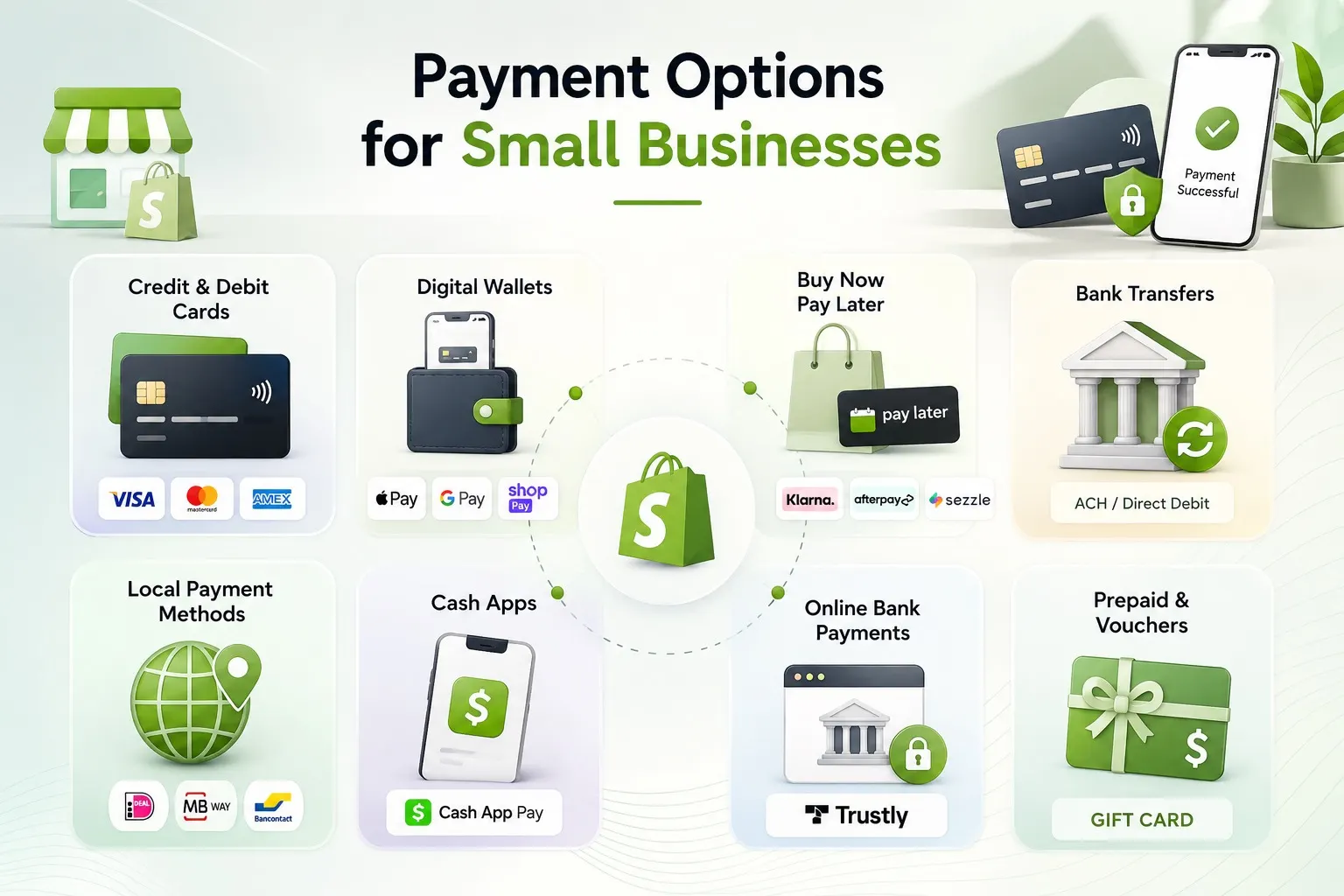
Most small Shopify merchants should start with a practical mix of cards, digital wallets, PayPal, and relevant local methods such as iDEAL. This gives customers familiar ways to pay, reduces checkout friction, and helps new stores launch without a complex setup.
Accept global debit and credit card payments.
Speed up mobile checkout with Apple Pay and Google Pay.
Add a familiar brand many buyers already trust.
Use iDEAL and other regional methods to match customer habits.
Choose quick onboarding small business Shopify payment apps.
Payment methods are not just a checkout feature. They shape trust, reduce drop-off, and influence whether customers complete the purchase. Small businesses feel this faster because every abandoned basket has a bigger impact on revenue.
For small stores, the right payment mix can improve trust before the customer even enters card details.
You need a payment setup that does not slow down launch. Look for apps with a clear installation path, easy account connection, and simple merchant guidance. Fast onboarding matters when you want revenue now, not after weeks of delay.
Do not pick a gateway based only on brand name. Pick one that matches where you sell and how your customers prefer to pay. A local option like iDEAL can matter more than adding another card brand in the Netherlands.
A strong payment setup should feel easy for the buyer. Keep the journey clear, fast, and mobile-friendly. Every extra step adds friction. Small stores benefit most when checkout feels familiar and low risk.
Start lean, but choose a setup that can expand. As your store grows, you may want more local methods, stronger fraud tools, or region-specific payment options. It is better to build on a flexible base than replace systems later.
Card payments are still the foundation for most stores. They give you broad coverage and work well across many markets. For a new business, cards are the first layer, not the full strategy.
If you sell to customers in the Netherlands, iDEAL is a high-value payment method to consider early. Buyers know it, trust it, and use it for direct bank payments. For some stores, it can be a conversion driver rather than an extra.
Apple Pay and Google Pay reduce friction, especially on mobile. They help customers complete checkout quickly without typing long payment details. This is important for small stores that rely on fast purchase decisions.
Some buyers trust PayPal more than entering card details on a new store. This can help smaller brands reduce hesitation. It is not always the cheapest option, but it can support trust at a key decision point.
BNPL can help some stores increase average order value. It suits certain product types and audiences better than others. Small merchants should add it when it supports the brand and basket size, not just because it is popular.
This phased setup gives you speed first, then flexibility. It helps small businesses avoid overcomplicating checkout while still leaving room to grow.
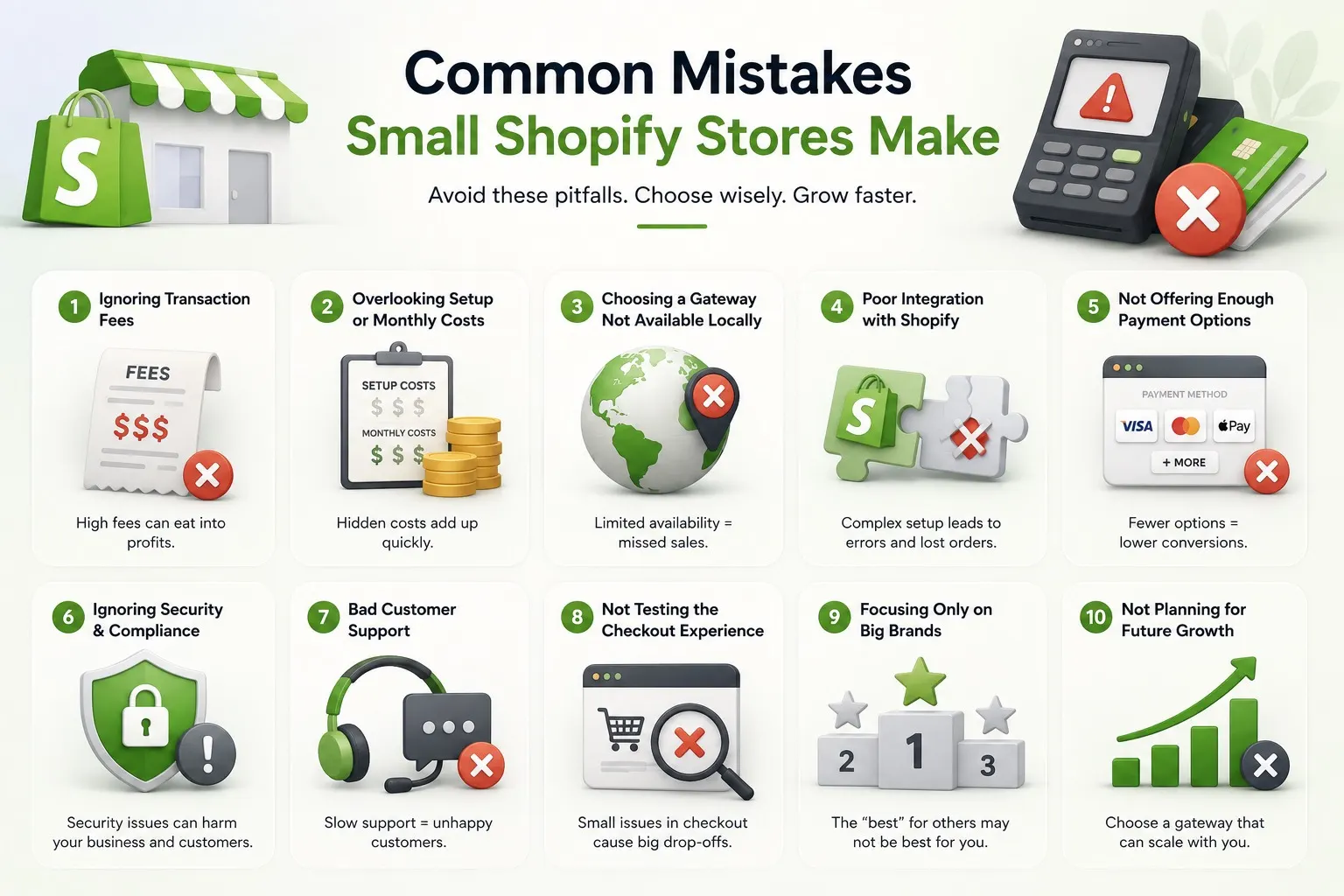
You may lose buyers who prefer local methods or wallets.
A strong global strategy still needs local trust signals.
Cheap setup with poor conversion can cost more in lost sales.
Start with what matters most to your buyers and expand with data.
A mobile-unfriendly checkout hurts conversion fast.
Small merchants need fast action, not unnecessary complexity. CartDNA helps stores add relevant payment methods, including local options, through Shopify-ready integrations designed for practical growth.
You can start with the essentials, then expand your payment mix as your store grows and your market needs change.
Explore payment options that fit your market, customer habits, and growth stage. A smarter checkout can help you convert more traffic without increasing ad spend.
The best option is usually the one that combines easy onboarding, trusted checkout, and the payment methods your customers already use. For many small stores, that means cards, wallets, PayPal, and local methods where relevant.
If you sell to customers in the Netherlands, iDEAL is worth serious consideration. It is familiar, trusted, and can help reduce hesitation at checkout for local buyers.
Start with a focused set. Offer cards, one or two trusted wallet options, PayPal, and one important local method if your market needs it. Expand later based on demand and conversion data.
It means a payment app that is easy to install, connect, configure, and use without long delays or heavy technical work. Small businesses benefit most from payment tools that help them launch quickly.
Yes. Familiar and local payment methods reduce friction and increase trust. That can help more shoppers complete checkout, especially on mobile and in new markets.
A small business does not need every payment option at once. It needs the right ones. Start with trusted essentials. Add local methods like iDEAL where they matter. Build a checkout experience that feels simple, familiar, and ready to convert.
