
A scalable dropshipping model protects margins and supports long-term ecommerce growth.
Why Most Dropshipping Models Fail at Scale
Most beginners focus on speed. They chase trends and cheap suppliers. This works early. It fails later. You lose control over shipping, product quality, and margins. That creates refunds, disputes, and ad inefficiency.
To scale safely, you need control. Control over product, fulfilment, and customer experience. That is what separates short-term stores from sustainable ecommerce businesses.
What Makes a Scalable Dropshipping Model
A scalable dropshipping model is not about volume. It is about stability. You need systems that hold when order volume grows.
Key traits of a safe dropshipping strategy
- Consistent supplier reliability
- Strong product margins (30%–60%+)
- Brand control and differentiation
- Predictable delivery times
- Low dispute and refund rates
Example: Stores with branded products often see 20–40% higher repeat purchase rates compared to generic dropshipping stores.
Branded Dropshipping Model (Low Risk, High Control)
Why branded dropshipping works
You sell products under your own brand. You still use suppliers. But you control packaging, messaging, and positioning. This builds trust. It increases perceived value.
Benefits
Risks
- Requires upfront branding work
- Slightly higher supplier costs
👉 Best for: founders who want long-term growth with moderate risk
Private Label Dropshipping (Best for Long-Term Scale)
What is private label dropshipping
You customise existing products. You add your brand, packaging, and sometimes features. Suppliers fulfil orders, but your brand owns the experience.
Why it is a sustainable ecommerce model
You create defensibility. Competitors cannot easily copy your offer.
Benefits
Risks
- Requires supplier negotiation
- Longer setup time
👉 Best for: founders building a real ecommerce brand
High Ticket Dropshipping (Low Volume, High Profit)
How it works
You sell expensive products (£200–£2000+). You focus on fewer sales with higher margins.
Why it scales safely
You reduce operational complexity. Fewer orders. Higher revenue per customer.
Benefits
Risks
- Slower sales cycles
- Requires strong trust signals
👉 Best for: experienced marketers who understand conversion optimisation
Comparing Dropshipping Models
| Model | Risk Level | Margin | Scalability | Brand Control |
|---|---|---|---|---|
| Generic Dropshipping | High | Low | Poor | None |
| Branded Dropshipping | Medium | Medium | Strong | Moderate |
| Private Label | Low | High | Excellent | Full |
| High Ticket | Medium | High | Strong | Moderate |
How to Transition to a Safe Dropshipping Strategy
You do not need to rebuild everything. You can evolve your current store.
Step-by-step approach
- Start with winning products from your current store
- Move top sellers to branded versions
- Negotiate better supplier terms
- Improve delivery times (local fulfilment if possible)
- Build email and retention systems
Example: Stores that shift to branded fulfilment often reduce refund rates by 15–25%.
Compare dropshipping models to find the safest path to scale your ecommerce business.
Build a Sustainable Ecommerce Model
Scaling is not just about ads. It is about systems.
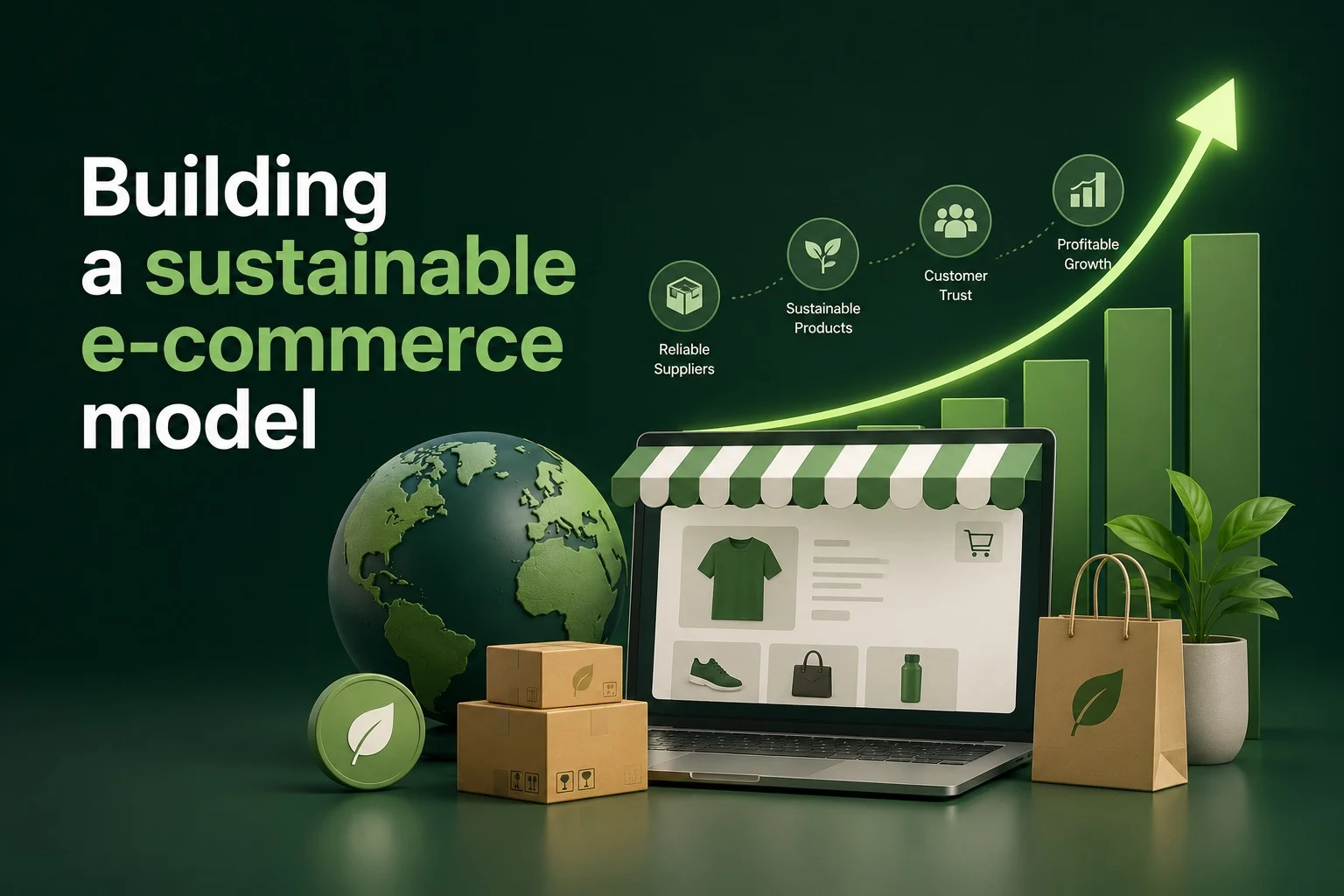
Sustainable systems and supplier control help scale your ecommerce business for the long term.
Focus on:
A sustainable ecommerce model gives you predictable revenue. That is what allows real scaling.
Frequently Asked Questions
What is the safest dropshipping model?
Private label dropshipping is the safest. You control branding, pricing, and customer experience. This reduces dependency on unstable suppliers and improves long-term margins.
Can you scale generic dropshipping?
You can scale short term. But it becomes unstable. Supplier issues, low margins, and high competition make it difficult to sustain growth.
Is high ticket dropshipping better than branded dropshipping?
It depends on your strategy. High ticket gives higher profit per sale. Branded dropshipping gives stronger long-term brand value and repeat purchases.
How do I make dropshipping sustainable?
Focus on branding, supplier relationships, and customer experience. Move away from trend-based products. Build systems that support repeat sales and consistent delivery.
Ready to Build a Scalable Dropshipping Model?
You need more than products. You need control, data, and optimisation.